
- Why Freelancers Need a Different Kind of Emergency Fund
- How Much Should a Freelancer Save?
- Where Should Freelancers Keep Their Emergency Fund?
- How to Build an Emergency Fund With Irregular Income
- Budgeting With Irregular Income
- Common Emergency Fund Mistakes Freelancers Make
- FAQs About Freelance Emergency Funds
Freelancing comes with a lot of freedom, but it also comes with one unavoidable reality: irregular income.
One month, you may be fully slammed to the point of turning work down. The next month, you may be at a complete lull. That kind of volatility poses a unique challenge when it comes to personal finance, particularly in building a proper freelance emergency fund. But those low periods are exactly why you need the emergency fund in the first place.
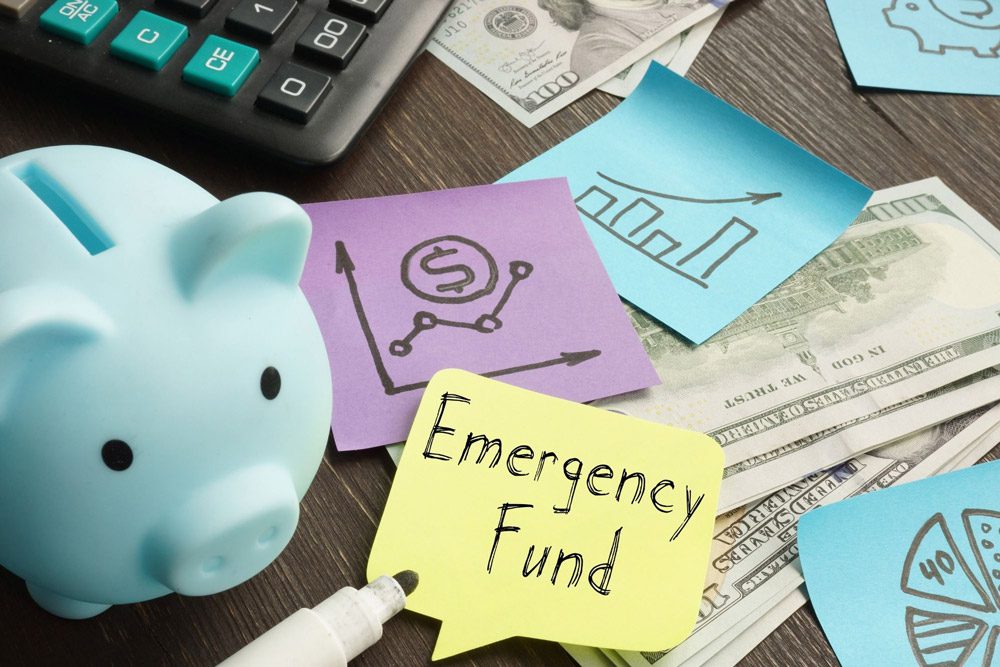
An emergency fund for freelancers is protection. It serves as a safety net during slow periods, economic downturns, and income gaps, as well as for unexpected personal expenses. It also keeps you from making panic-driven decisions that can lead to debt.
Here’s how to calculate the right amount for your freelance emergency fund and build it, even with an unpredictable cash flow.
Why Freelancers Need a Different Kind of Emergency Fund
Traditional advice says you should save three to six months’ worth of expenses in an emergency fund. For someone with a steady paycheck, that might be reasonable. For someone managing irregular income, that can fall short.
An emergency fund for irregular income is different because it has to account for more than job loss. Freelancers face unique risks, including:
- Late client payments
- Project cancellations
- Seasonal demand swings
- Market downturns
- Illness without paid leave
A freelancer’s emergency fund not only provides protection from actual emergencies, but also for volatility. That’s why a strong freelance income buffer is critical.

How Much Should a Freelancer Save?
The right number depends on how predictable your income is, but most freelancers should aim for more than the standard three-month rule. A safer target for a self-employed emergency fund is:
- Six to nine months of essential living expenses
- Or six months based on your lowest earning months
Start by calculating your bare-minimum monthly expenses. Focus only on necessities like housing, utilities, insurance, groceries, healthcare, and minimum debt payments. Ignore discretionary spending here; you’re looking for your survival baseline.
Next, review the last 12 months of income. Identify your three lowest earning months. If your income drops significantly during slow seasons, your variable income emergency fund needs to compensate for that gap.
For freelancers with stable retainers, six months might be enough. For project-based professionals or those in seasonal industries, nine months, or even a full year, may be more appropriate. The more unpredictable your income, the larger your cushion should be.
Where Should Freelancers Keep Their Emergency Fund?
Your emergency fund should not be an investment vehicle. Liquidity matters much more than returns in this situation.
A freelance emergency fund should ideally be stored in a safe, easily accessible location with low risk. For most people, that means a high-yield savings account.
A high-yield savings account offers better interest than a traditional savings account while keeping your funds fully accessible. According to FDIC data from February 2026, the average interest rate on a normal savings account is just 0.39%. Conversely, high-yield savings accounts can offer interest rates up to 5%, depending on the bank. If you’re researching the best savings account for freelancers, prioritize high APY, no fees, and easy transfers.
Remember that most freelancers also benefit from maintaining separate bank accounts. It’s not necessarily a good idea to lump your emergency fund into the same account you use for or setting aside tax money.
How to Build an Emergency Fund With Irregular Income
Saving consistently when your income fluctuates can feel like a daunting prospect. The key is to shift from fixed-amount savings to percentage-based systems that flex with your income.
For example, consider saving a percentage of every client payment — often 20-30% — before paying yourself. This method adapts naturally to higher and lower income months and works well when budgeting with irregular income.
Another good approach is to “pay yourself a salary.” Deposit all of your freelance income into a business account, then transfer a fixed amount into your personal account each month. The leftover amount becomes your freelance income buffer and grows over time.
It’s also important to distinguish between an emergency fund and other types of savings. Many freelancers confuse emergency savings with planned expense funds. Understanding sinking fund vs. emergency fund makes a big difference. An emergency fund covers unexpected income gaps or crises. A sinking fund covers predictable expenses such as equipment upgrades or annual subscriptions. Keeping these separate prevents accidental depletion of your true safety net.
Budgeting With Irregular Income
As a freelancer, you’ll ideally build your budget around your lowest reliable monthly income. Think of your higher-earning months as surplus rather than standard pay. This will prevent you from overextending.
When your income exceeds your baseline needs, it can be wise to allocate the excess in this order:
- Emergency savings
- Tax reserves
- Long-term investments
- Discretionary spending
Common Emergency Fund Mistakes Freelancers Make
Without a plan for your emergency fund, it’s easy to fall into financial traps, and many of them are predictable.
One common mistake is saving aggressively during good months, then abandoning saving altogether when things slow down. It’s also easy to misjudge just how long a slow period can last. This can result in an underfunded safety net, leaving you to rely on credit or cut essentials the moment your revenue dips. Are you prepared to handle a few months of slower income at a time?
Another mistake is mixing savings accounts with personal reserves or money set aside for taxes. The last thing you want is to accidentally spend the money you’ve allocated toward taxes and get caught short when it’s time to file.
Finally, don’t make the mistake of investing your emergency fund. These savings are supposed to be liquid, low risk, and easily accessible, not tied up in brokerage accounts. Investing should still be a priority, but it should be a separate endeavor. You can also introduce potential tax complications when you withdraw funds from an investment account.
FAQs About Freelance Emergency Funds
Is Three Months of Savings Enough for Self-Employed Workers?
Three months is a solid starting point, but it’s rarely sufficient in the long term. A solid emergency fund for self-employed professionals covers things like inconsistent payments, economic downturns, and unexpected business expenses. As a freelancer, you don’t have severance or unemployment benefits; a larger cushion is really necessary to provide meaningful protection.
What’s the Difference Between an Emergency Fund and a Sinking Fund?
Understanding the difference between a sinking fund and an emergency fund is important for freelancers. An emergency fund protects you against unexpected income gaps or financial crises. A sinking fund is used for planned expenses, like equipment or annual software renewals. Keeping these separate ensures that your actual safety net remains intact.
How Long Does It Take to Build an Emergency Fund as a Freelancer?
It depends on your income consistency and savings rate. Many freelancers build their freelance income buffer gradually by saving a percentage of every payment, like 20 to 30%, until they reach their target. Even building one month of expenses first creates immediate stability. From there, consistency matters more than speed.
Author

Michaela Bennett
NeatPenny contributor
Michaela Bennett believes that financial empowerment is a key factor in living a successful, stable, and sustainable life. With a background in economics and experience running a small business, Michaela has a passion for helping others find their footing when it comes to personal finance. She has over a decade of experience in financial writing, having a special interest in entrepreneurship, wealth building, and achieving financial milestones.